Key Takeaways:
- Brad Garlinghouse linked changing SEC policy to improving sentiment in U.S. crypto markets.
- Paul Atkins pointed to clearer rules, lighter compliance burdens, and support for blockchain finance.
- Ripple’s CEO said a more predictable regulatory framework could strengthen innovation and long-term growth.
Crypto Sentiment Improves as SEC Shifts Direction
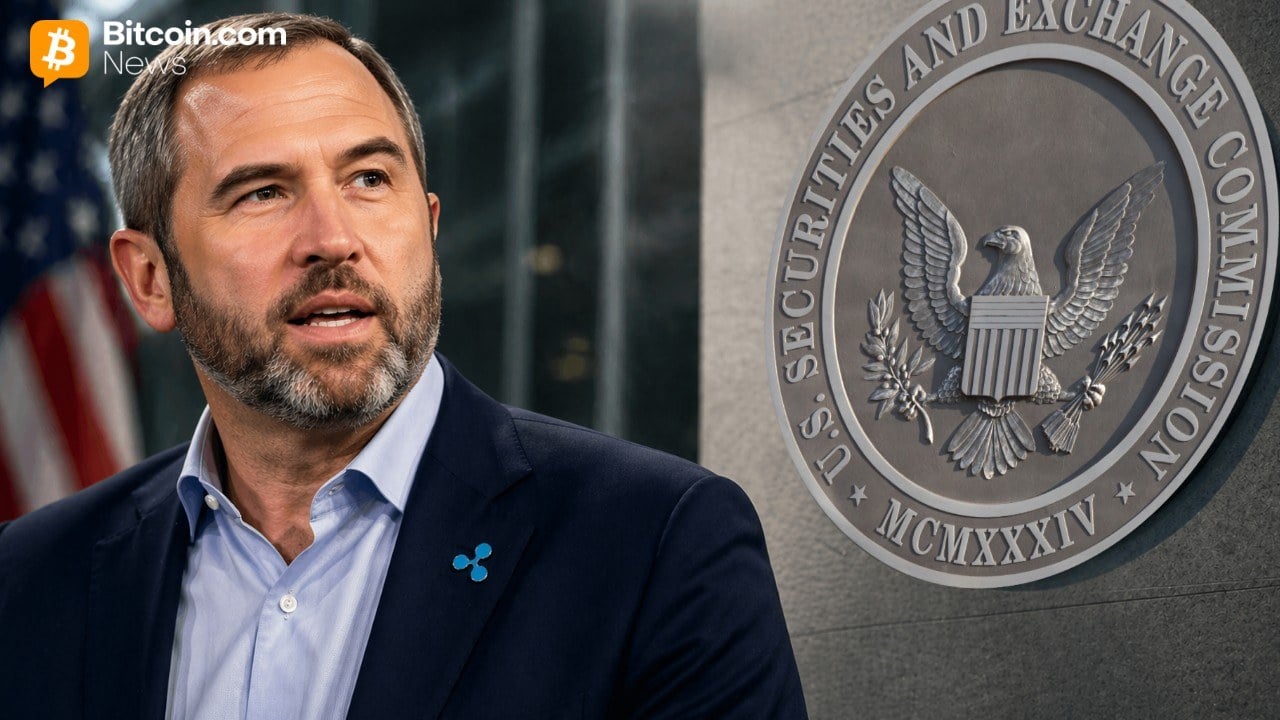
Ripple CEO Brad Garlinghouse linked a broader regulatory shift to improving sentiment in U.S. crypto markets on April 20. His remarks came as Securities and Exchange Commission (SEC) Chair Paul Atkins has publicly framed the agency’s recent direction around clarity, capital formation, and support for blockchain-based finance, rather than a heavier enforcement posture.
Referencing former SEC Chair Gary Gensler’s regulation-by-enforcement approach, Garlinghouse stated on social media platform X:
“By comparison, Paul Atkins is a breath of fresh air and sanity. He is a model of what leadership at the SEC should look like… he’s focusing on what matters – protecting investors and fostering innovations that help those investors and the markets.”
That view aligns with Atkins’ recent message. Last week, the SEC chairman criticized the agency’s past reliance on enforcement in crypto, saying the market faced years without workable compliance pathways. Atkins has also said digital assets are “really top on our list,” while presenting crypto policy as a major SEC priority in 2026.
Atkins Pushes Clearer Rules for Digital Assets
Supporting that shift, Atkins has outlined a more formal regulatory framework for digital assets and tokenized markets. On April 21, he described a push for clearer oversight, lighter compliance burdens, and closer coordination with the Commodity Futures Trading Commission (CFTC). He also said the SEC was nearing an “innovation exemption” designed to let market participants facilitate trading of tokenized securities on-chain within a limited compliant structure while longer-term rules are developed. Those measures reflect a broader effort to align regulation with evolving market infrastructure while maintaining investor safeguards.
That evolving stance follows a landmark legal outcome that shaped crypto oversight. The Ripple vs. SEC case established a distinction between institutional XRP sales and public market trading. Filed in December 2020 and concluded in August 2025, the court ruled that programmatic XRP sales on exchanges were not securities transactions, while direct institutional sales violated securities laws. Ripple faced a $125 million penalty, later reduced to $50 million, well below the $2 billion initially sought, with both sides withdrawing appeals to formally end the case.
In his statement on April 20, Garlinghouse sharpened his criticism of the prior approach, stating:
“The SEC’s first mission is to protect investors. Under Gary Gensler, the SEC clearly lost its way. He declared war on a technology. It was an unlawful power grab… and the courts said as much.”
The remarks reflect ongoing industry criticism of the SEC’s earlier enforcement-driven strategy, while underscoring expectations that a clearer framework could reshape compliance and support broader digital asset adoption.