## Market Snapshot
The “Strait of Hormuz traffic returns to normal by May 15” market is currently priced at 0.5% YES, down from 1% 24 hours ago. The May 31 sub-market shows 8.5% YES, a drop from 16% over the past week.
## Key Takeaways
– The current diplomatic deadlock between the U.S. and Iran suggests a continued blockade and restricted traffic through the Strait of Hormuz. – Markets appear to interpret recent developments as supportive of the NO outcome for traffic normalization by May 15. – The situation may indicate prolonged disruptions, reflecting in decreased YES pricing for the end of May scenario as well.
## Article Body
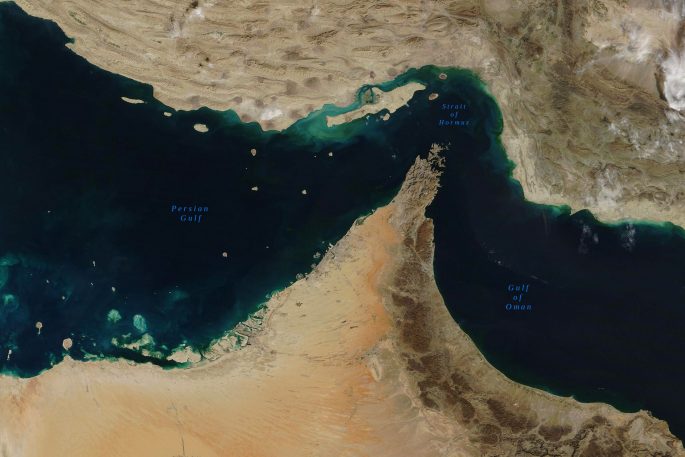
The ceasefire between the United States and Iran, brokered by Pakistan on April 8, 2026, is under strain as both countries persist in mutual violations. Iranian forces have conducted over ten attacks on U.S. military assets in the Strait of Hormuz, while the U.S. has responded with strikes against Iranian-flagged tankers and missile installations. The strategic Strait remains tightly controlled by Iranian forces, with a U.S. blockade affecting over 1,550 commercial vessels. President Donald Trump’s rejection of Iran’s recent diplomatic proposal underscores the escalating tension. As confirmed by Pentagon assessments on May 5, the deadlock increases the risk of conflict escalation beyond minor skirmishes.
## Market Interpretation
The current situation is strongly supportive of a NO outcome for the “Strait of Hormuz traffic returns to normal by May 15” market. The diplomatic stalemate and ongoing military actions suggest that a resolution by mid-May is unlikely. The impact on market pricing is high, as reflected in the significant decrease in YES probability. This development aligns with expectations of continued disruptions in the Strait’s traffic flow.
## What to Watch
Observers should monitor any announcements from key figures such as President Trump, Iranian officials, or the U.S. Central Command that might indicate shifts in military or diplomatic strategies. The Pentagon’s stance and any potential interventions by international bodies like the United Nations could also influence market perceptions. The approaching May 15 deadline will serve as a critical juncture for assessing the potential for de-escalation or further conflict.
Get prediction market intelligence as a structured API feed. Early access waitlist.